Parking in Málaga can be a bit of an adventure, especially if you’re not used to our narrow streets or busy beach areas. As someone from Málaga who’s spent plenty of time looking for a decent spot, here’s a clear, no-nonsense guide to help you park without stress and get on with enjoying the city.
And if you’re joining one of our Tapas tours in Málaga, our meeting point is on Calle Marqués de Larios 18. The closest and easiest parking is Parking Plaza de la Marina, although Alcazaba, Camas or Muelle Uno also work comfortably.
Let’s get straight into it.
1. Central Parking in Málaga (Your easiest option)
Málaga’s city center is mostly pedestrianized, so the easiest way to park near the action is to use one of the central underground parking garages. These secure, covered lots put you within a short walk of the historic quarter and main attractions:
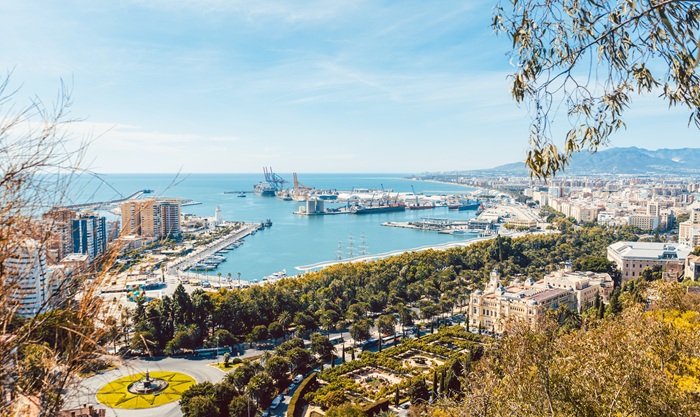
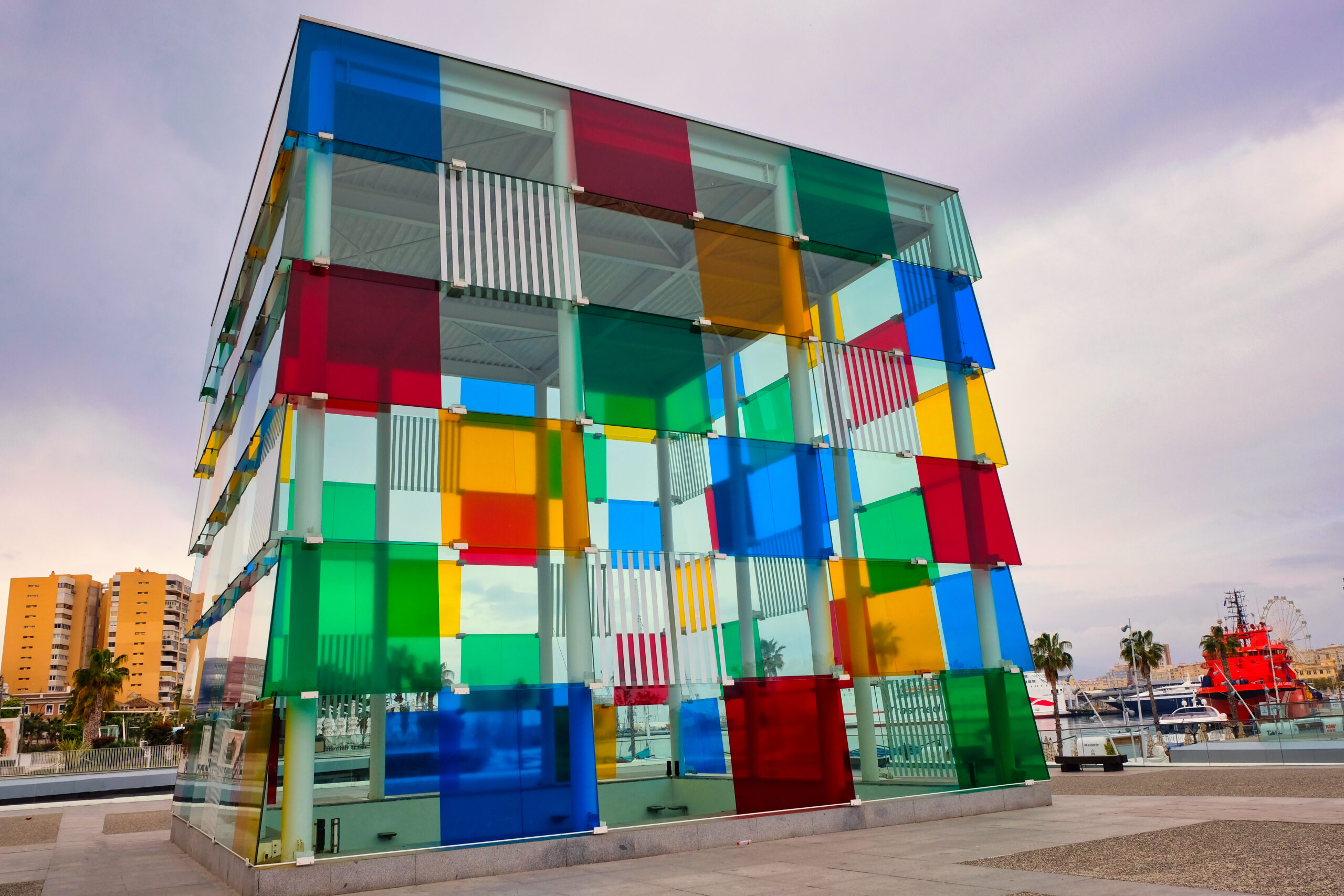
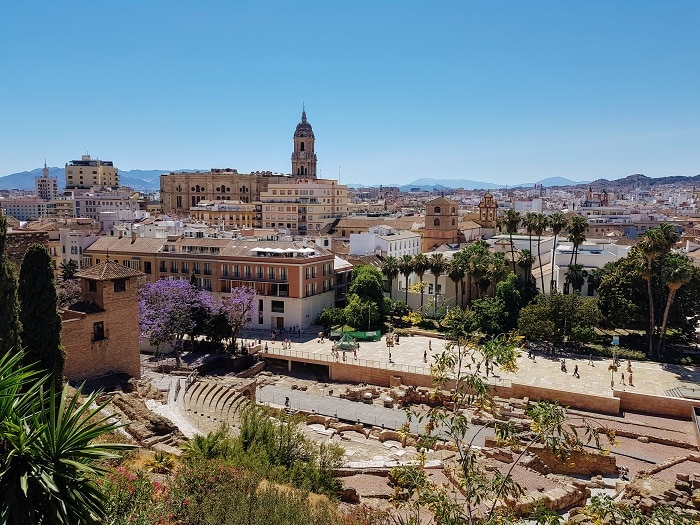
Parking Plaza de la Marina
Located directly under Plaza de la Marina by the port, this is as central as it gets. Once you park here, you’ll emerge right at the start of Calle Larios (the main shopping street) and opposite the main tourist office. It’s perfect for exploring the Old Town or meeting up for our food tours . This garage has around 440 spaces and is open 24/7. (Access tip: Reach it via Paseo de los Curas/Av. Manuel Agustín Heredia along the port.)
- Address: Plaza de la Marina, 29015 Málaga
- Best for: historic centre, shopping, port area, Spain Food Sherpas tours.
Parking Alcazaba
At the foot of the Alcazaba and the Roman Theatre (entrance on Calle Muro de Santa Ana). With about 543 spaces, it is ideal if you plan to visit those sights or start around Plaza de la Merced to visit Picasso’s birthplace.
- Address: Calle Muro de Santa Ana, 29015 Málaga
Parking Camas
One block away from the Atarazanas Market. Great if your plans include the Atarazanas Food Market, Calle Nueva or Soho.
It is an underground parking with around 500 spaces.
- Address: Plaza Enrique García-Herrera, 29005 Málaga
- Note: Entrance is via Plaza de Arriola or Pasillo de Atocha; the ramp is a bit narrow, so drive in slowly.
Parking Salitre (María Zambrano Station)
A bit outside the old town, but it’s big and usually has space. f you don’t mind a short walk, the Parking Salitre is near the María Zambrano train station and bus station, about a 10-minute walk from the historic center. It’s a large garage with over 900 spaces, making it a reliable choice on busy days. Prices here are slightly lower (around €1.95/hour) and they offer multi-day passes, which is great for overnight or weekend stays.
- Address: Calle Salitre, 29002 Málaga
- Best for: This is especially useful if you’re coming into the city from elsewhere or planning to use the train – you can park here and stroll or take a quick taxi/bus to the old town.
Parking Muelle Uno
Málaga’s port area Muelle Uno is not only a leisure destination – it also has a huge underground car park with roughly 900 spaces. The entrance is off Paseo de los Curas (heading toward the port). Parking at Muelle Uno puts you right by the waterfront shops, restaurants, and the Pompidou art center, and it’s 10–15 minute pleasant walk through the park into town. The rate is about €2 per hour, and daily passes are available for longer stays.
- Address: Paseo de los Curas, 29016 Málaga
Other useful central garages
Málaga has a whole network of municipal parking lots, so you’ll never be short of options. A few other central ones include Parking San Juan (near Calle San Juan, great for the shopping district), Parking Tejón (small, by Plaza Uncibay, useful for evenings out), Parking Cervantes (ideal for the Cervantes Theatre and Plaza de la Merced area
), and Parking Andalucía (along Avenida Andalucía, also near the train station). All of these are part of the Red Municipal de Aparcamientos and have similar hourly rates (usually around €1.5–€2.5 per hour)
Most are open 24 hours and have electronic boards indicating available spots.As a tech tip, you can even check real-time parking availability on the SMASSA website or app before you arrive
Tech tip
You can even check real-time parking availability on the SMASSA website or app before you arrive
2. Parking in Pedregalejo, El Palo & Echeverría (Eastern Málaga)
If you plan to explore beyond the city center – for example, visiting the famous seafood restaurants in Pedregalejo or El Palo on the eastern coast – you’ll find a different parking scenario. These beachside neighborhoods are more residential, and while they do have parking, it’s mostly on streets or small lots. Here’s how to navigate parking in these local areas:
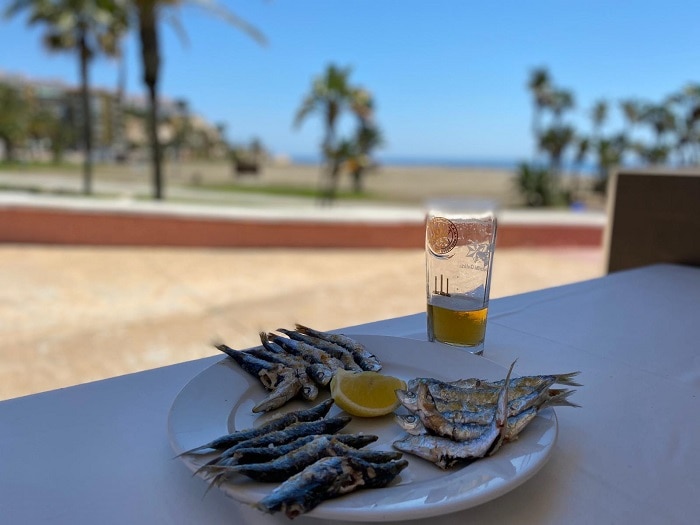
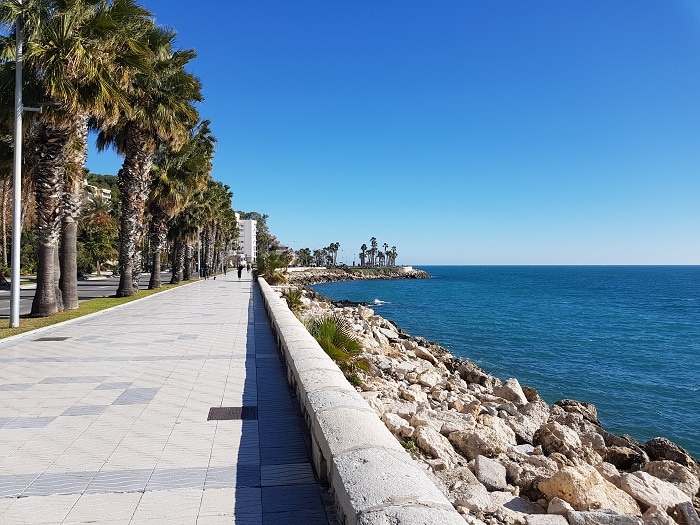
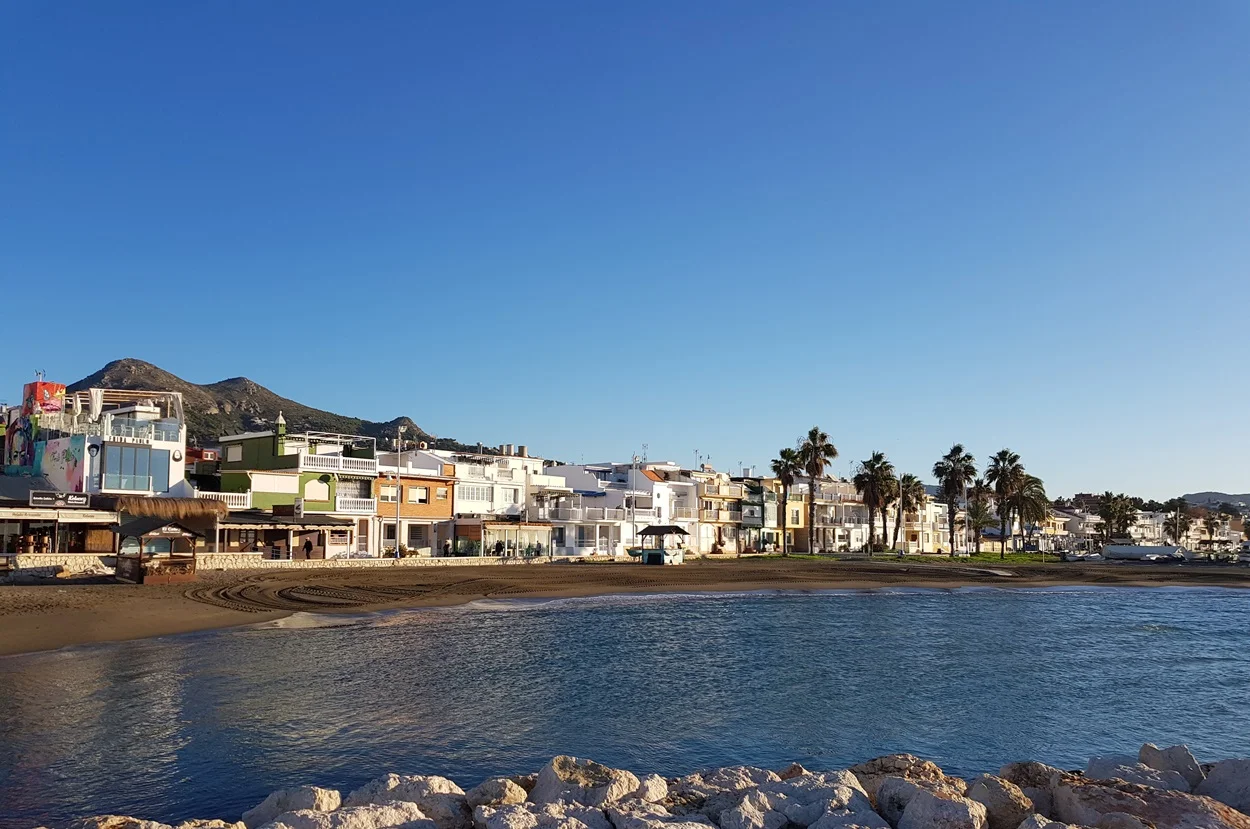
street parking
Good news – parking in these districts is generally free on the streets. Along the beachfront at Pedregalejo and through El Palo, you can park on the roadside or on residential streets without paying a fee. The challenge is that in summer or during dinner hours, these spots fill up quickly (these areas are popular for evening dinners and weekend outings). Arrive early if you’re headed here by car, especially on a sunny weekend or holiday. Often, finding a spot means looping through the smaller residential blocks a few times. Be patient and keep an eye out for white painted lines on the curb – white lines indicate free parking areas in Spain. Once you’ve secured a spot, the beaches and chiringuitos (beach bars) of Pedregalejo or El Palo will be just a short walk away.
Aparcamiento Acacias
In the Pedregalejo area there is a designated open-air parking lot known as Aparcamiento Acacias, right by the beachfront (Playa de las Acacias, at the border of Pedregalejo and El Palo). It’s basically a large unpaved lot with 24h surveillance, mere steps from the sand. This is a paid lot (privately operated), but it can be a convenient option if you don’t want to hunt for street parking. The lot isn’t asphalted and can get dusty, but it’s monitored and usually has space except on the busiest beach days. If you’re coming specifically for a chiringuito, or our food tour in Pedregalejo, using this lot means you’ll park and walk straight onto the seafront promenade.
- Address: P.º Acacias, 13, Málaga-Este, 29017 Málaga
Aparcamiento El Palo
Right beside “Mercado de El Palo”, it is an underground parking with 292 places on four levels.
It has one car entrance and one car exit on Calle Alonso Carrillo de Albornoz.
The parking has 2 pedestrian entrances on Avenida Juan Sebastián Elcano and Calle Miguel Moya, and spaces for disabled drivers.
- Address: C. Alonso Carrillo de Albornoz, 2
NEW: Parking Echeverría del Palo (Pío Baroja)
The most reliable option in the area. A fantastic new addition to the east side is the Parking Echeverría in El Palo. Opened in 2023, this modern underground garage (also called Aparcamiento Pío Baroja) brings over 400 parking spaces to the El Palo area. Of these, 276 are public (rotational) spots and the rest are reserved for local residents. The entrance is along Avenida Pío Baroja in the Echevarría del Palo zone (under a former school ground).
- Address: Av. Pío Baroja, 5
3. West Málaga & Other Neighborhoods (Huelin, Misericordia, Parque del Oeste & Beyond)
On the western side of Málaga, things get a bit easier if you’re coming by car. This part of the city has wider streets, newer residential developments and fewer historical alleys, which usually translates into more free street parking—especially around Huelin, Parque del Oeste, and Playa de la Misericordia.
Most of the streets here are lined in white, meaning free parking, but—as always—keep an eye out for the occasional blue zone or signs tied to specific streets. If you’re heading to the beach or planning a walk along the long seafront promenade, parking anywhere near Parque del Oeste or the Misericordia beachfront works perfectly. These areas tend to be popular in summer, but outside peak beach hours you can normally find a space without too much drama.
Heading a little further inland, neighbourhoods like La Unión, Cruz de Humilladero and the streets leading toward Martiricos also offer free parking depending on the block. These are more “local” areas where people park to go home or head to nearby cafés, so availability changes by the hour.
Then there’s Teatinos, Málaga’s modern district near the university. If what you want is a stress-free parking experience, Teatinos is hard to beat: big avenues, plenty of white-lined streets, and usually lots of space. It’s not close enough to walk to the centre, but that’s part of the charm—you just park, hop on the metro, and in a few stops you’re right downtown. It’s a very convenient park-and-ride option for anyone coming from the motorway or from the western Costa del Sol.
A small tip from experience:
The key in all these neighbourhood areas is to try weekday mornings or early afternoons, when most locals are at work or university. Evenings—especially near bars, gyms, and the beach—can get busier. Weekends, of course, depend entirely on the weather and football schedule.
But overall, if you’re looking for the most relaxed zones to leave the car in Málaga, the west side is usually much gentler than the centre.
4. Free Parking options (If you don’t mind walking)
Finding totally free parking near the centre is like winning the lottery, but these places still exist. Free parking areas are marked with white lines on the road (as opposed to blue or green lines which are regulated, paid zones). Here are a few known free parking zones in Málaga:
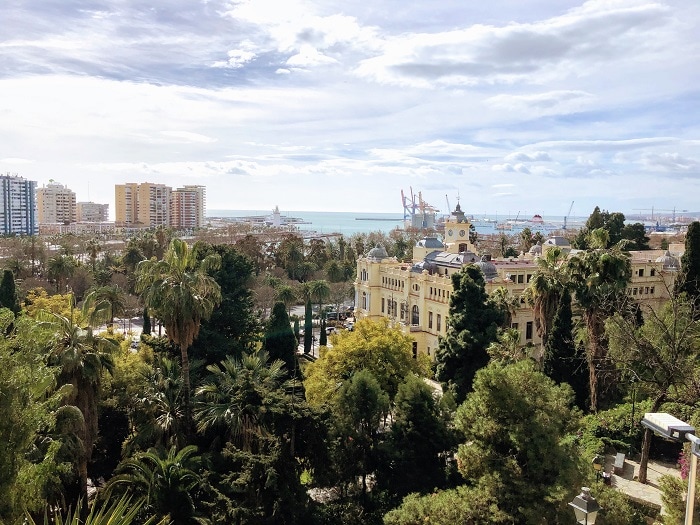
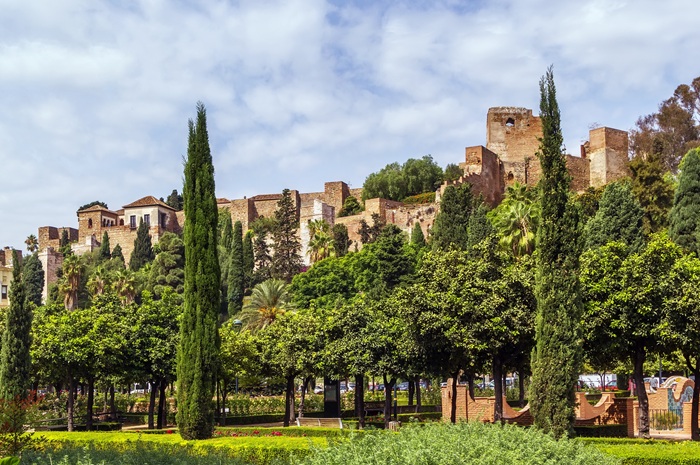
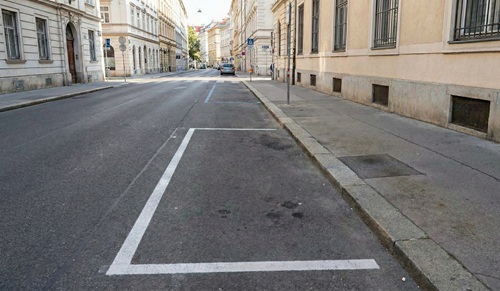
Calle Guillén Sotelo (City Hall)
This small street next to Málaga’s City Hall (Ayuntamiento) and at the foot of the Alcazaba is one of the most coveted free parking spots in town. You’re basically parking between the lush Paseo del Parque and the Alcazaba gardens. It’s incredibly central and scenic – but there are only a handful of spaces. If you get one here, consider yourself lucky!
- Tip: Early morning or late evening might give you a better chance
El Ejido (University Area)
Up the hill from the old center, El Ejido is a university campus area where you can find free parking around the faculty buildings. During weekdays when classes are in session it might be busy, but outside of class hours (evenings, weekends, and summer) the lots and streets here have free spots. It’s about a 10-15 minute downhill walk to the historic center from El Ejido. Many locals use this area as a park-and-walk option for visiting downtown.
La Rosaleda Stadium
By the La Rosaleda football stadium (home of Málaga CF) there are large open areas and streets (e.g. along Paseo de Martiricos) where parking is free. On non-match days, you’ll usually find plenty of space here, especially on weekends. It’s roughly a 20-minute walk to the city center from the stadium, or you can take a quick bus ride down Avenida Doctor Marañón. This is a great option if you don’t mind a little exercise – you can park for free and stroll along the river into town.
Hospital Civil / Materno Area
Near the Materno-Infantil Hospital (north of downtown, around Avenida Fátima and Arroyo de Los Ángeles), street parking is free and relatively easier to find. From here it’s about a 10-minute walk to the start of the old town. This area is a local neighborhood, so if you arrive in the early afternoon (when hospital visits are over or during lunch/siesta time), you might snag a space as people vacate.
Teatinos (Park & Ride)
As mentioned, in the Teatinos district (northwest Málaga), you can often find free street parking any time. It’s further from the tourist areas, but the Metro Line 1 and Line 2 have stations in this area that go directly towards the center. For instance, parking near Universidad or Clínico metro stations and then taking a 10-minute metro ride into downtown is an easy park-and-ride strategy. This way you avoid driving into the congested center altogether.
Plaza Mayor (Park & Ride)
A local insider tip: if you’re coming from outside and just visiting Málaga for the day, you can park for free at the Plaza Mayor shopping complex on the outskirts (near the airport) and take the commuter Cercanías train right into Málaga-Centro station. Plaza Mayor’s car park is large and free, and trains into the city center take only ~17 minutes. This saves you the trouble of city traffic. Do note the train schedule for your return (they run until late evening). This trick is especially handy if you’re continuing your journey by car afterwards, since Plaza Mayor is right off the highway.
5. Street Parking Rules
On-street parking in Málaga is regulated by the city’s SARE system (Servicio Andaluz de Regulación de Estacionamiento). Here’s what you need to know if you want to try your luck with street parking.

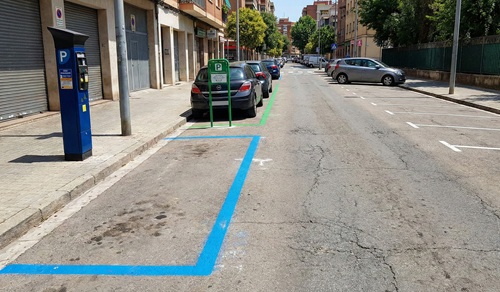

Blue Zone
You must pay during these times. Outside these hours (and on Sundays), parking is generally free in these spots.
Mon–Fri: 09:00–14:00 / 16:00–20:00
Sat: 10:00–14:00
Free outside those hours.
Sundays & Holidays: Free (No payment required)
Time Limits & Zone Types
Watch out for the specific type of blue zone you are in, as the rules differ:
Normal Rotation (Standard Blue Lines):
Max Time: 150 minutes (2.5 hours).
Rule: You can park, pay, and stay for up to 2.5 hours. After that, you must move the car.
High Rotation (SARE 30):
Rates (Approximate)
30 minutes: ~0.35€
1 hour: ~0.70€
2 hours: ~1.40€
Payment Methods: You can pay with coins, card (at newer meters), or mobile apps.
Using an app is the easiest way to avoid carrying exact change and allows you to “un-park” (get money back for unused time) or extend your time remotely.
Telpark: The most popular and reliable option for visitors.
SMASSA App: The official municipal app (can be glitchy for some users).
EasyPark: Also works in Málaga but may charge a small service fee.
What if you get a fine? (Annulment)
If you are late and find a small ticket notification on your windshield, don’t panic! You can often “cancel” (anular) the fine directly at the parking meter for a small fee (much cheaper than the actual fine).
Scenario A (Time Exceeded): You paid, but stayed longer than the ticket allowed.
Cost to cancel: Approx 3.80€.
Scenario B (No Ticket): You forgot to pay entirely.
Cost to cancel: Approx 7.65€.
Important: In Málaga, you have a surprisingly generous window of up to 10 days (from the date of the fine) to perform this cancellation at the machine or via the app, though it is highly recommended to do it immediately.
Green Zone
Some areas (often just outside the immediate city center or in certain residential districts) have green-painted curb lines. These are resident-preference zones – meant primarily for local residents with a permit. Non-residents (visitors) are either not allowed to park there long-term or have stricter limits and higher hourly rates. In Málaga, typically a non-resident can only use a green spot for a very short time (like 1 hour, at a premium rate) or not at all during certain hours. The idea is to keep these spaces free for people who live in that neighborhood. Bottom line: if you see green lines, it’s best to avoid them unless signage clearly indicates visitors can pay to park for a bit. The risk of fines or towing isn’t worth it.
White Lines
As mentioned, white-lined spaces are free public parking. These are more common in residential areas outside the downtown. If you find a white-line spot in the center (rare, but a few exist), lucky you – it’s free! Just double-check for any signage that might indicate time restrictions (occasionally a white-lined area may still have a time limit).
“Gorrillas”
In Málaga (and throughout Spain), “gorrillas” is the slang term for illegal parking attendants. You will often spot them in free parking areas, dirt lots near beaches, or busy streets where parking is scarce.
They are usually people who have “claimed” a specific street or parking lot. They will stand in an empty spot, wave you in, help you maneuver, and then expect a “tip” (la voluntad) for the service.
The name comes from the baseball cap (gorra) they traditionally wore to look somewhat official.
Is it legal?
No. It is completely illegal. The municipal police (Policía Local) actively fine them, but because many are insolvent, the fines rarely stop the activity.
Important: You have no legal obligation to pay them. The street is public.
But here is the “Unspoken Rule”, Should you pay? This is a controversial topic among locals.
- The Theory: You shouldn’t pay because it’s extortion for a free public space.
- The Reality: Most locals give them small change (0.50€ – 1€) to avoid conflict.
- The Fear: There is a common fear that if you don’t pay, you might come back to a scratch on your car (un rayajo). While actual damage is rare, most drivers pay the 50 cents for “peace of mind.”
How to Spot the Difference (Gorrilla vs. Official)
Sometimes it is confusing because there are legal parking attendants, too.
Legal Attendants (Vigilantes): Usually wear a uniform (often with a reflective vest that has a logo), they belong to an association (like a disability support org), and they must give you a paper ticket/receipt.
Gorrillas: Usually wear regular street clothes (maybe a generic yellow vest they bought themselves), have no ID, and cannot give you a receipt.
Insider tip: If you have 50 cents or 1 euro, it is usually easier just to give it to them and walk away smiling. If you have absolutely no cash, just say “Lo siento, no llevo nada” (I’m sorry, I don’t have anything) politely and walk away. They usually won’t hassle you further.
6. Final Advice
- In summer and during big events, parking gets tight. Underground car parks save you a lot of frustration.
- Low Emission Zone: A new Low Emissions Zone (ZBE) is being phased in for Málaga’s city center (from late 2024 into 2025), which will restrict the most polluting vehicles from entering the very core of downtown. If you’re driving a standard modern rental car, you likely won’t be affected, but it’s something to keep an eye on. There are cameras reading license plates as you enter the central casco antiguo.c
- The centre is best enjoyed on foot. Málaga is compact — park once and forget the car.
- When in doubt, go to Plaza de la Marina, Alcazaba, Muelle Uno or Echeverría del Palo. These almost always work.