Eating is a biological necessity, but gastronomy is a purely cultural act. When we travel, we tend to prioritize sight: museums, monuments, skylines, and sunsets. However, there is a profound truth that anthropologists and seasoned travelers know by heart: the deepest layers of a country’s identity are not seen—they are tasted.
Food is the connective tissue of a destination’s history. Hidden within every local ingredient, and behind every culinary technique that survives generations, lies a narrative of geography, trade, survival, and celebration. It is simply impossible to comprehend the complexity of a society while ignoring its kitchen.
The Landscape on your Plate: Living Geography and History
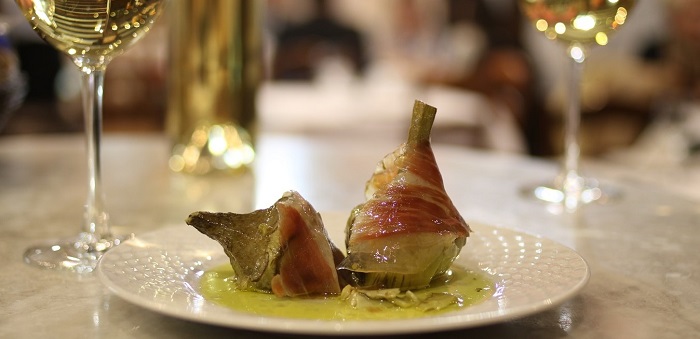
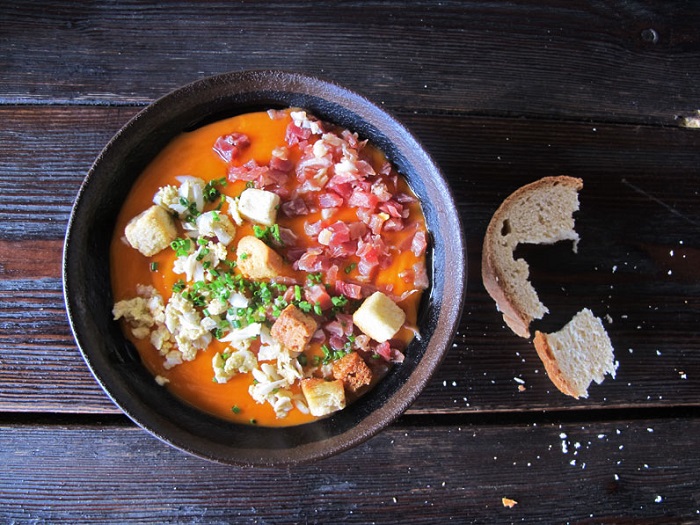
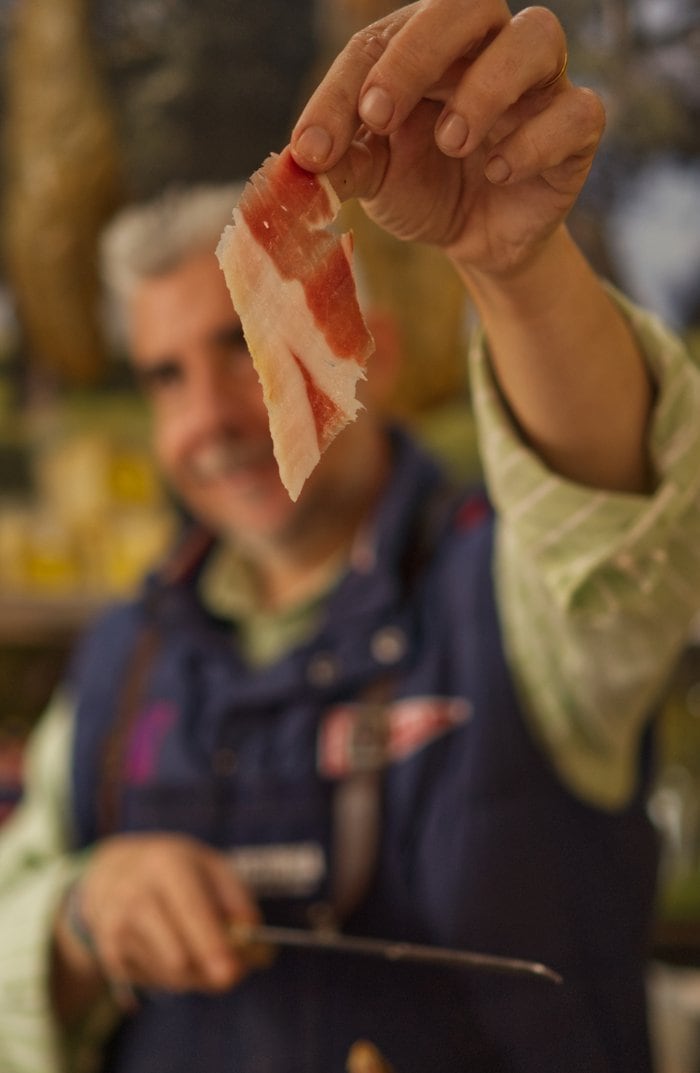
Gastronomy is, at its core, a people’s creative response to their physical environment. Take Spain as an example. A golden drizzle of extra virgin olive oil, the translucent slice of acorn-fed Iberian ham, or a clay pot where rice slowly absorbs a rich sofrito… None of these elements are accidental.
Behind that olive oil lie centuries of Roman and Moorish agricultural heritage. Behind the cured meats and salting techniques is the historical necessity of preserving food for harsh months. Food tells us about a region’s climate, its ancient trade routes, and the civilizations that crossed its borders, leaving their mark on the stoves long before modern maps were ever drawn.
The Gastronomic Trilogy: Senses and Memory
Academic literature on cultural tourism frequently discusses the Gastronomic Trilogy: the absolute interdependence between food, culture, and territory. Data from UN Tourism reveals that food tourism is one of the fastest-growing global segments, and the reason is deeply psychological: food triggers emotional memory in a way that architecture rarely can.
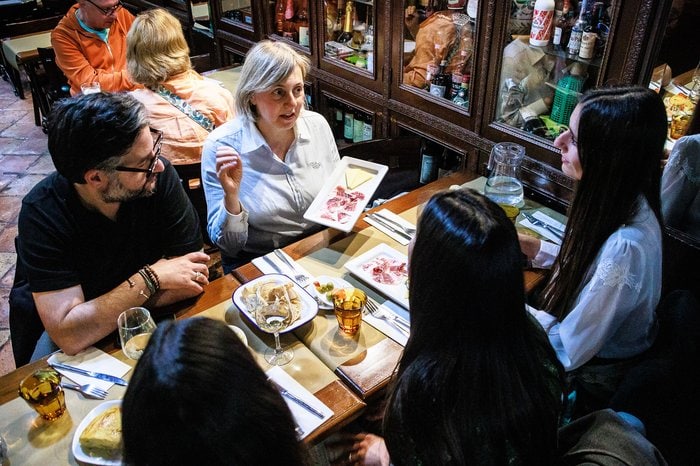
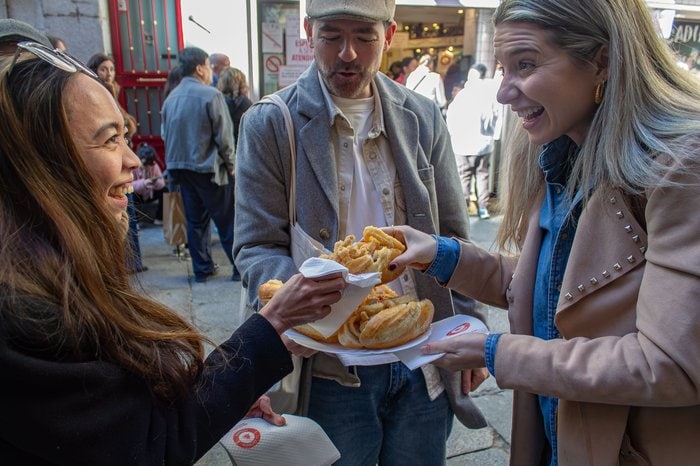
A monument is contemplated; a dish is shared, smelled, touched, and savored. It is a fully multisensorial experience that generates instant empathy with the locals. Understanding the dynamics of a local food market—the banter of the vendors, the seasonality of the produce—tells us more about a city’s rhythm of life and core values than any museum audio guide ever could.
Beyond the Souvenir: Chasing Authenticity
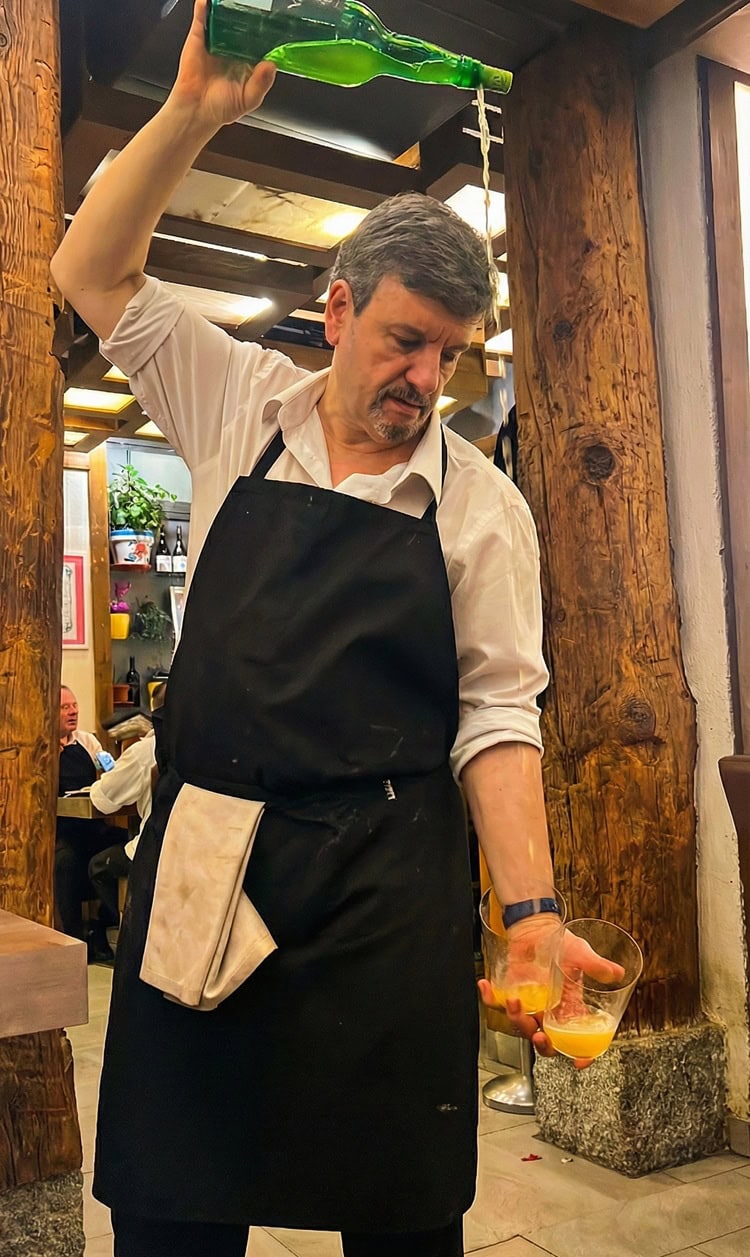
The mistake of mass tourism is treating food as a mere service or, even worse, as a superficial, Instagram-friendly cliché. To truly understand a country, we must transition from passive spectators to “culinary explorers.” We must seek the stories behind the plate: who harvested that ingredient, why it is simmered so slowly, and what a specific toast means to the community.
Gastronomy is the most honest universal language in existence. In an increasingly globalized and homogenized world, discovering and preserving local culinary traditions is not just a treat for the palate; it is an act of deep cultural respect and the shortest, truest path to human understanding.
Want to discover the true essence of our culture through its authentic flavors? At Spain Food Sherpas, we guide you to read local history through the very dishes, markets, and taverns that define our identity.
Let us show you Spain through the eyes of a local—one bite at a time!
Don’t forget to share this post!
Sign up for our Newsletter and get the inside scoop on our favorite recipes,
exploring and devouring Spain and more.